

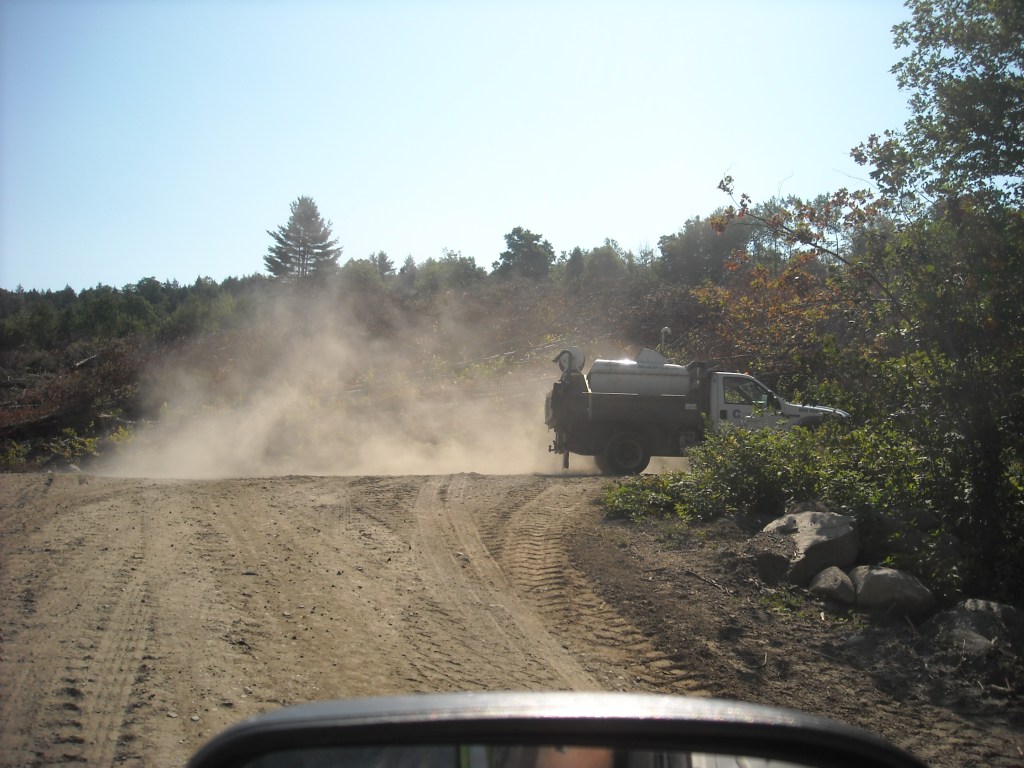
What is the solution to stop dust now on the over one million miles of unpaved dirt and gravel roads in the US?
By: Stop Dust Now
Fifty-plus years of inadequate dust control solutions for unpaved dirt and gravel roads have not seen any technological advances until now (TheDustPros).
Of over four million miles of road in the United States, almost half are unpaved, and these unpaved roads will most likely never be paved. Annual budgets go to asphalt paving techniques that repave existing roads which mostly have improper bases and drainage.
The road repair and maintenance budget focuses mainly on asphalt and concrete technologies. Unless new asphalt roads have at least three feet of proper base and aggregate underlay, you will almost always get cracking and potholes. Most secondary asphalt roads consist of 6-8 inches of asphalt paved over the existing material on site. The constant need to repave the existing roads takes resources away from paving the unpaved dirt and gravel roads.
So, what is the solution for unpaved dirt and gravel roads?
How about a long-lasting, nontoxic, military-grade dust control product called HevyRayn, which has just become available to the commercial market. You would think that with a proven military-grade formula, it would be easy to convince people to use it on unpaved roads. However, budgets to regrade those roads with loose material do not allow room for long-lasting dust control.
To have a sustainable road maintenance program, money must be allocated to control the dust on these unpaved dirt and gravel roads.
Reducing Maintenance Costs
When using proper dust control (TheDustPros) on unpaved dirt and gravel roads, you can reduce the annual maintenance cost by up to 75%. The following years savings from not needing the repair and maintenance cost for dirt and gravel roads can now be put towards using dust control on more unpaved roads with a life expectancy of up to five years. (Take 75% off five years of dirt road maintenance costs and that money can be allocated to purchase more dust control to do more roads). There is an initial high cost, with a long-term return on investment.
If this approach is adopted, we can reduce fugitive dust emissions and improve air quality in the environment, at no additional cost outside the current budget. But this takes leadership and understanding of the problem and the solution.
/StopDustNow
 stopdustnow.info
Leave a comment